It is important for all drivers to know how to behave correctly when they encounter pedestrians, horse carriages, or cars
On side roads, which often do not contain traffic signs or traffic lights, and in the theoretical exam, there are different questions on this topic.
Therefore, I will explain the important things about how to behave while driving on side roads
Firstly, there are several situations in which you must be very careful while driving on a side road, including:
- When meeting pedestrians
- When meeting horses
- When meeting vehicles
- On slippery roads
- On high plateaus
When you meet pedestrians on a side road, the first thing you should pay attention to is if you want to overtake
It is the shape of the road and the extent of visibility in front of you, if the encounter with pedestrians is at a curve or an elevated road
Then you must slow down, stay on the right, and do not go to the other side because the road is not open
So that you are not surprised by an oncoming car, bike, or vehicle and collide with it
Of course, be very careful to pass pedestrians calmly, and you must not startle pedestrians or use the horn.
Example of a situation in which you should not overtake:
Depending on the situation, as you can see, the road is not clear and you are at a curve. In this case, do not overtake
Wait until the road becomes clear ahead and stay behind the bike at a slow speed until you cross the bend.
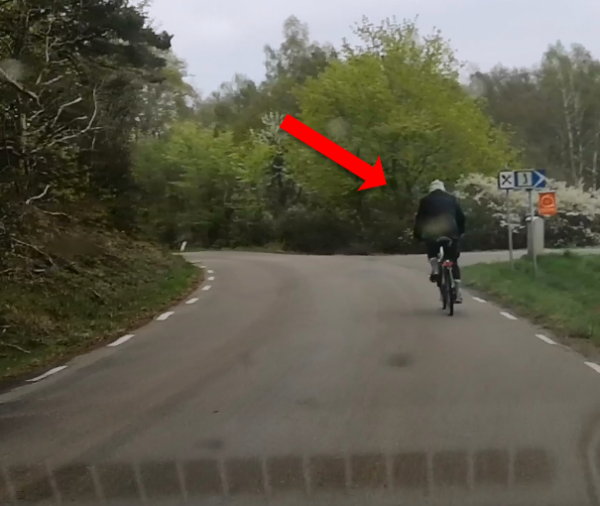
A second picture
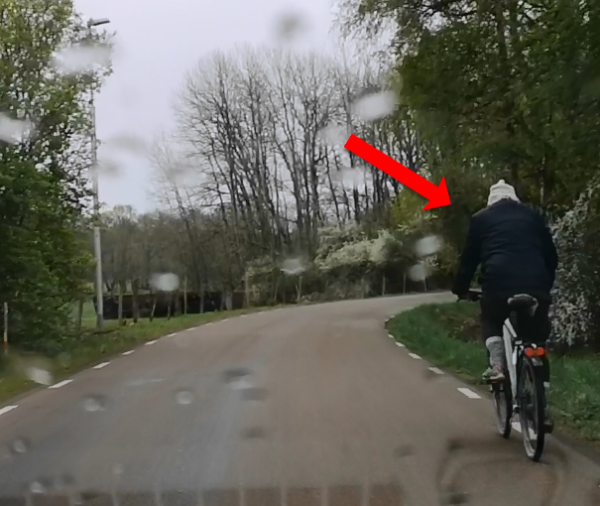
Also this case
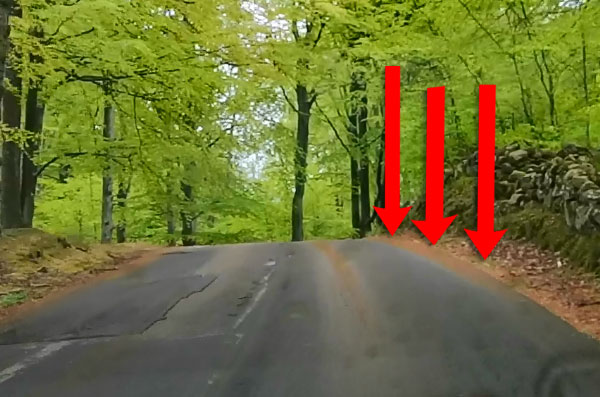
Assuming that the red arrows are people standing next to the road
If you want to pass them, in this case, stay in your position on the right and do not take a distance to the left because you are driving on a hill
The road is not open and there may be a car coming and colliding with it, so stay on the right
Slow down your speed and pass pedestrians or people standing quietly.
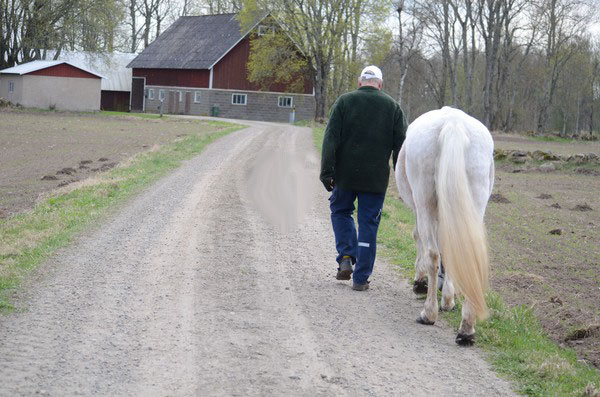
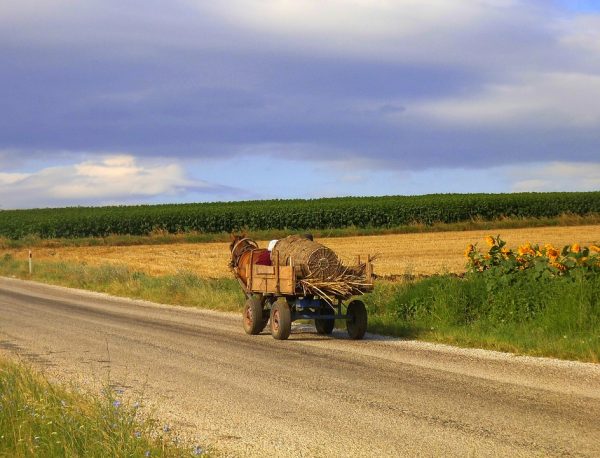
But if there are horses or pedestrians with animals or horse-drawn carts on the road, as is the case in the following picture
You must take an appropriate distance and pass completely calmly and notice that the road is open in front of you
Do not use the horn or make loud sounds from the car engine
Such as speeding up or stepping on the gas pedal more so as not to startle the horse or the person walking.
When you meet a vehicle or vehicle on a narrow rural road, you must adjust your speed according to the road condition and conditions
You must place your car on the far right so that you and the opposite car can pass quietly and safely
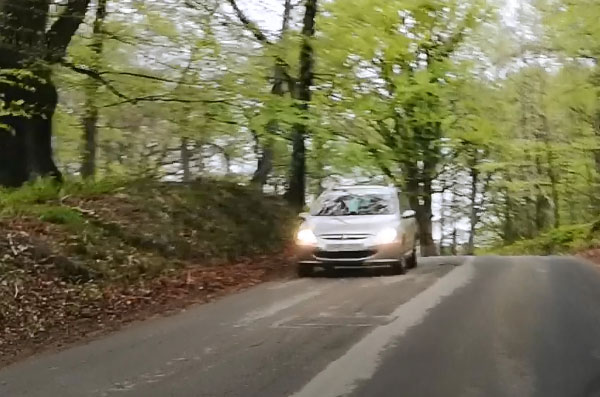
In addition, on some roads there is a narrow driving field that cannot accommodate two cars
When meeting vehicles from the opposite party, you, as drivers, must give way to each other. This means…
The driver who has more space on his side stops and lets the other driver pass and then continues on his way.
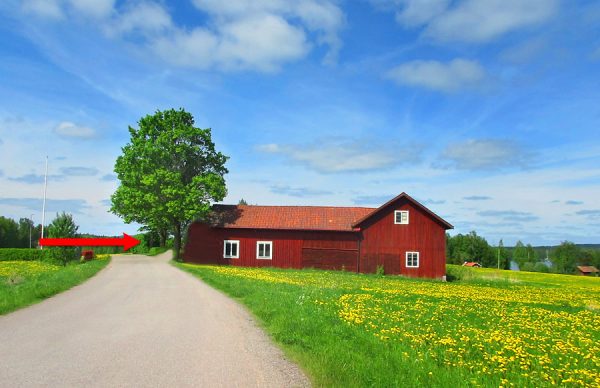
Also, while watching a house or stable, you should slow down and be prepared to brake
If there is any person, horse, bicycle or children who may run into the street,
These roads have little traffic and the possibility of children playing around is high
For example, children playing with a ball find them running in all directions, perhaps into the street, not expecting an oncoming car
Or there may be horses if this is a horse stable, or speeding bikes or even vehicles
Therefore, you must be alert and prepared to deal with any potential danger that may appear behind the stable or the house
On the right or left side, depending on the direction of construction.
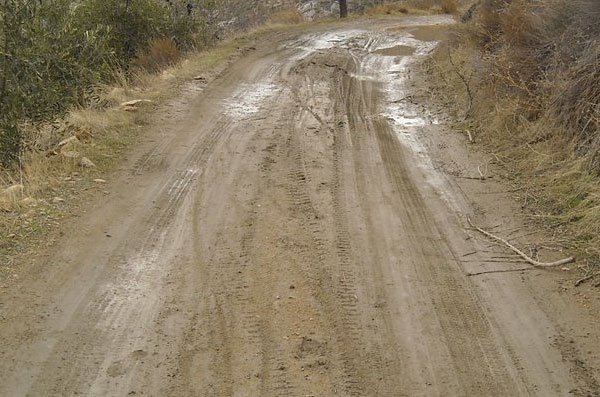
When driving on rural or secondary roads, these roads are sometimes not in as good a condition as the main roads
It may have holes or accumulations of mud and water, and these things may cause the car to slide if there is ice
Or if you are on an uphill or downhill road, so you must pay attention and be careful, even if it is possible to avoid driving on such roads.
Or stay away from pools of water and mud.